Backyard & Garden Pest Patrol: The Birds That Hunt Your Garden's Worst Bugs
Share
Every June, the same drama plays out in backyards across the country. The aphids find the roses. The hornworms find the tomatoes. The grubs settle into the lawn. And gardeners reach for the spray bottle.
But there’s another option — one that’s been working in gardens long before pesticides existed. Birds.
Your local birds are some of the most efficient, tireless pest hunters around. A single Carolina wren can consume hundreds of insects in a day. A barn swallow can catch over 800 flying insects between sunrise and sunset. And they do all of this for free, as long as your yard gives them what they need to show up.
This guide pairs eight of the most common backyard pests with the bird species that actively hunt them — and tells you exactly what habitat features to add to bring those birds in.
1. Aphids → Black-capped Chickadee❌
Aphids are among the most destructive soft-bodied insects in any garden. They cluster on new growth, drain plant tissue, and reproduce fast enough to overwhelm a plant in a matter of days.
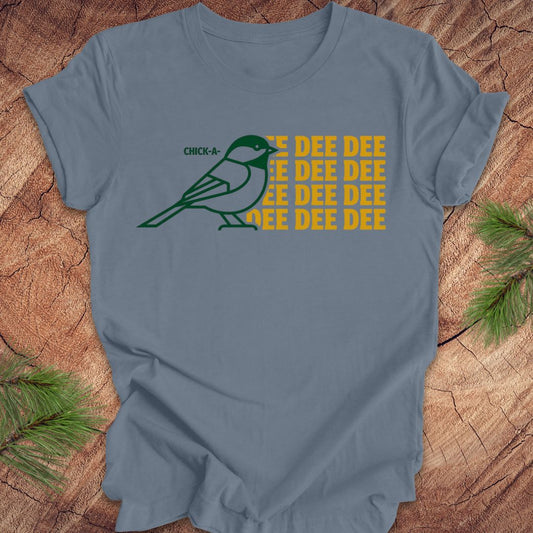
The black-capped chickadee is one of their best natural controls. Chickadees are acrobatic foragers — they’ll hang upside down from a branch tip to pick insects and eggs from the undersides of leaves, exactly where aphids hide. They’re also year-round residents in most of North America, meaning they’re patrolling your yard even in late winter when aphid eggs are overwintering on bark.
Attract them with: Native shrubs and small trees. Chickadees prefer to forage and nest in native plantings — serviceberry, native cherry, and dogwood are particularly good choices. Avoid over-trimming shrubs; chickadees like to work through natural branching structure.
2. Caterpillars & Hornworms → Carolina Wren🐛
Tomato hornworms, cabbage loopers, tent caterpillars — these are the caterpillars that gardeners dread. They’re large, fast-eating, and can strip a plant before you notice them.
Carolina wrens are scrappy, energetic little birds that forage low to the ground and into dense vegetation — exactly where caterpillars feed and hide. They’re also remarkably bold; a Carolina wren will investigate a garden bed, a brush pile, or even an open garage in search of insects. Their loud, rolling song is one of the most recognizable sounds in an eastern summer garden.
Attract them with: Dense shrubs and brush piles. Carolina wrens need tangles and cover. If you have a corner of the yard where you can let things grow a bit wild, or where you can pile up pruned branches, you’ll likely have wrens within a season or two.
3. Grasshoppers → Eastern Bluebird🪱
In a bad grasshopper year, they can devastate a garden or lawn seemingly overnight. They’re also notoriously difficult to control with conventional methods.
Eastern bluebirds are ground foragers — they perch at height, spot movement below, and drop onto insects in the open. Grasshoppers, with their habit of sitting still in open grass, are a prime target. Bluebirds are cavity nesters, which means they need a specific type of habitat to take up residence, but once you provide it, they’re loyal and reliable.
Attract them with: Open lawn or meadow areas paired with a nest box. Bluebirds won’t nest in dense cover — they need sight lines. Mount a bluebird nest box on a post in an open area, away from trees and buildings, and face it toward the garden. Eastern Bluebird nest box dimensions and placement specifications are easy to find, and the investment pays for itself in pest control quickly.
4. Beetles & Grubs → American Robin🪲
Grubs — the larval stage of beetles like Japanese beetles and June bugs — live in soil and eat plant roots from below. By the time you see the damage, the grubs have often been feeding for weeks. Adult beetles, meanwhile, skeletonize leaves above ground.
The American robin is one of the best-known and most visible insect hunters in the American yard. That cocked-head posture you’ve seen on your lawn? They’re listening and watching for movement underground. Robins hunt earthworms but also consume enormous numbers of beetles and their larvae throughout the season.
Attract them with: Soft soil, mulch, and a birdbath. Robins need to be able to probe the ground, so compacted soil or heavy hardscape doesn’t help them. Keeping garden beds mulched and maintaining a clean, shallow birdbath (changed every few days) will bring robins in reliably.
5. Mosquitoes & Flying Insects → Barn Swallow🦟
Few insects are more universally unwelcome than mosquitoes, and few birds are better at catching them than swallows. Barn swallows are aerial insectivores — they catch everything they eat on the wing, in flight, at high speed.
A single barn swallow can consume over 800 insects per day, and they feed throughout the daylight hours, not just at dawn and dusk. They are, in practical terms, one of the most effective natural mosquito controls available.
Attract them with: Open airspace and shallow water nearby. Swallows nest in structures — under eaves, on barn beams, on purpose-built swallow nest cups mounted under overhangs. They need open sky to hunt and prefer to nest near water. If you have a pond, stream, or even a large shallow birdbath, swallows may start showing up on their own.
6. Wood-Boring Larvae & Ants → Downy Woodpecker🐜
Wood-boring beetles and their larvae tunnel into tree bark and wood, doing damage that’s often invisible until a branch or tree is already compromised. Carpenter ants are a similar problem — they don’t eat wood, but they excavate it, and a mature colony can hollow out a significant section of a dead or weakened tree.
The downy woodpecker — the smallest woodpecker in North America — is perfectly adapted to find them. Its chisel bill and barbed tongue can extract larvae from beneath bark. Downy woodpeckers also consume ants, scale insects, and other bark-dwelling pests in large numbers.
Attract them with: Mature trees, snags, and a suet feeder. If you have an old dead tree or a standing snag on your property, resist the urge to remove it unless it poses a safety risk — it’s a hotel for woodpeckers and dozens of other species. A suet feeder hung near trees will bring downies in immediately and keep them coming back through the winter.
7. Earwigs → House Wren
Earwigs are mostly nocturnal and hide in dense, damp vegetation and debris during the day — making them hard for humans to find and control. They’re opportunistic feeders that damage seedlings, flowers, and soft fruit.
House wrens are relentless foragers who work through exactly the kind of low, tangled habitat where earwigs shelter. They probe bark, leaf litter, and garden debris with their slightly curved bills, pulling out insects that other birds miss. Like Carolina wrens, they’re cavity nesters, but house wrens are more adaptable — they’ll use a wider range of nest box styles.
Attract them with: A wren nest box and tangled shrubs. House wrens aren’t picky about box dimensions but do prefer nest boxes placed lower than bluebird boxes — typically 4–6 feet above ground, near shrubby cover rather than in open areas. A small wren house near the garden is one of the easiest and most productive investments a gardener can make.
8. Bark Insects & Insect Eggs → White-breasted Nuthatch
Overwintering insect eggs and bark-dwelling insects are often overlooked because they’re invisible in winter and early spring — but they’re the source of the following season’s infestations. Taking them out before they hatch is genuinely valuable pest control.
The white-breasted nuthatch is one of the few birds that forages head-down on tree trunks, which lets it spot insects and eggs that upward-foraging birds like woodpeckers and creepers miss entirely. Nuthatches cache food in bark crevices and return to them through the winter, making them year-round residents even in cold climates.
Attract them with: Mature deciduous trees and tree trunks left rough and natural. Nuthatches prefer large-diameter trees with deeply furrowed bark. Supplemental feeding with suet or sunflower seeds will bring them in if you don’t have large trees yet, and they’ll stay if the habitat suits them.
The Simple Formula🌳
You don’t need to do all of this at once. The underlying formula is the same for almost every bird on this list:
Native plants + water + shelter + fewer pesticides = more birds.
Native plants support the full insect food web that birds evolved alongside. Water is non-negotiable — even a small, clean birdbath makes a yard dramatically more attractive to almost every species. Shelter means leaving some messiness: brush piles, dense shrubs, dead branches, leaf litter. These aren’t signs of a neglected yard — they’re habitat.
And pesticides are the one thing that actively works against you. When you eliminate the insect population, you eliminate the birds’ reason to visit. Birds follow the food. Give them food — and give them what they need to feel safe — and they’ll handle a remarkable amount of pest control on your behalf.
The garden and the birds are on the same team. You just have to set the conditions for the partnership.
Wandering Owl Adventure Co. celebrates the birds and wild places that make life worth exploring. Browse our collection of bird-inspired tees at wanderingowladventure.com.